Unlocking Versatility with the Reverse Left Right Arrow Icon
In the ever-evolving landscape of design and digital communication, icons play a pivotal role in enhancing user experience and conveying information efficiently. The Reverse Left Right Arrow Icon is a prime example of a versatile and meticulously designed glyph that has become increasingly relevant in modern design practices.
The Relevance of the Reverse Left Right Arrow Icon
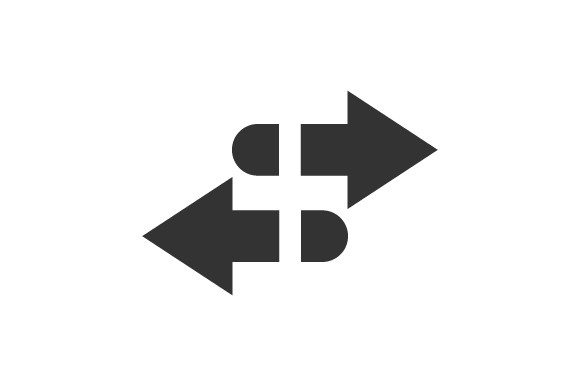
The Reverse Left Right Arrow Icon is not just a simple graphical element; it is a powerful tool for designers and developers. This icon, with its unique and intuitive design, serves multiple purposes across various platforms. It can indicate a reversal of direction, a swap between two elements, or even a cycle of actions. Its versatility makes it an essential component in creating engaging and functional user interfaces.
Adapting to Modern Workflows and User Expectations
As technology advances and user expectations evolve, the need for clear and effective visual communication becomes more critical. The Reverse Left Right Arrow Icon aligns perfectly with these changing needs. It provides a visually appealing and instantly recognizable symbol that can be used in a wide range of applications, from mobile apps to web interfaces, and from printed materials to presentations.
Evolution and Increased Attention
The use of icons in design has a long history, but the Reverse Left Right Arrow Icon stands out due to its adaptability and modern appeal. As design trends move towards minimalism and simplicity, this icon has gained more attention for its clean and straightforward design. Designers and users alike appreciate its ability to convey complex actions with a single, elegant symbol.
Practical Implications for Users and Creators
For users, the Reverse Left Right Arrow Icon enhances the overall user experience by providing clear and intuitive navigation. Whether it's switching between different views, toggling settings, or indicating a change in direction, this icon helps users understand and interact with the interface more effectively.
For creators, the inclusion of this icon in their projects can significantly improve the usability and aesthetics of their designs. The Reverse Left Right Arrow Icon is available in multiple formats, including EPS, SVG, AI, and PNG files, making it easy to integrate into various design projects. This flexibility allows designers to maintain consistency across different platforms and media types.
Real-World Applications and Recommendations
Consider the following practical examples of how the Reverse Left Right Arrow Icon can be used:
- Website Design: Use the icon to indicate a toggle between light and dark themes, or to switch between different language options.
- Mobile Apps: Implement the icon to allow users to switch between different tabs or to reverse the order of items in a list.
- Printed Materials: Incorporate the icon in instructional guides to show the sequence of steps or to indicate a change in direction.
- Promotional Materials: Use the icon creatively in brochures and flyers to highlight interactive features or to direct the reader's attention.
When using the Reverse Left Right Arrow Icon, it's important to consider the context and ensure that the icon is used consistently throughout the project. This will help in maintaining a cohesive and professional look, while also enhancing the user's understanding and interaction with the content.
Conclusion: Embracing the Future with the Reverse Left Right Arrow Icon
The Reverse Left Right Arrow Icon is a testament to the power of well-designed glyphs in modern design. Its versatility, adaptability, and aesthetic appeal make it an indispensable tool for creators and professionals. By incorporating this icon into your projects, you can enhance both the form and function of your designs, meeting the evolving needs of users and staying ahead in the competitive landscape of digital and print design.